
Key Takeaways
- Games spark connection, lift mood, and keep the mind active every day.
- Match each activity to your loved one’s stage to keep frustration low.
- Cognitive games like bingo, trivia, and dominoes fuel social fun.
- Sensory and creative play builds deeper connections through touch, scent, and song.
- Memory care at Harbour Pointe weaves daily games into coastal courtyard life.
How Games Support Memory Care for Your Loved One
You want your mom or dad to feel joy, not just pass the time. Watching memory slip away is hard, and you crave moments that bring a real smile back. The right game can do exactly that, and it’s a core part of life at Harbour Pointe Senior Living, where daily memory care activities keep that smile front and center.
Games give people with dementia connection, purpose, and gentle mental exercise, and the secret is matching the right activity to the right stage so every moment feels like a win.
Why Games Matter for Memory Care in Mukilteo
A simple game does more than fill an afternoon. It opens a door to laughter, eye contact, and shared stories. Your loved one feels seen, capable, and part of something, which is why thoughtful, meaningful dementia activities matter so much.
Play also calms restlessness. When the mind has something to focus on, anxious pacing often softens into ease. A round of cards or a familiar tune can turn a tense moment into a peaceful one.
Daily play keeps the brain busy, too. Small mental workouts help your loved one stay engaged with the world around them, and research on cognitive health in older adults backs that up. Here in Mukilteo, memory care thrives on these little sparks of joy.
How to Match Games to Your Loved One’s Stage
The best activity is the one that fits where your loved one is right now. A game that feels fun at one stage may feel hard at another. Here is how to find the right match.
Early Stage Picks
In the early stage, your loved one can still enjoy a light challenge. Card games, word scrambles, and jigsaw puzzles keep the mind sharp without stress. Keep the difficulty gentle. A puzzle with larger pieces or a simple crossword feels rewarding instead of frustrating. The goal is a happy sense of accomplishment.
Middle Stage Picks
As things change through the stages of Alzheimer’s, break each game into small, clear steps. One instruction at a time helps your loved one follow along with confidence. Try these favorites for the middle stage:
- Sorting buttons, coins, or colorful cards
- Matching games with pictures or shapes
- Music that invites tapping and humming
- Simple folding or stacking tasks
Late Stage Picks
In the late stage, the senses lead the way. One-step activities and soft textures bring comfort and quiet joy. Offer a warm blanket to touch, a fragrant flower to smell, or a gentle hand massage. These small moments create connection without any words at all.
Cognitive Games That Keep the Brain Active
Some games blend brainwork with social fun. They get people talking, laughing, and cheering together around a table. That mix of thinking and connection is powerful, and a few well-chosen memory games for seniors can do the trick. Try these crowd-pleasers:
- Alphabet soup, where you name words that start with a letter
- Trivia rounds about music, food, or local history
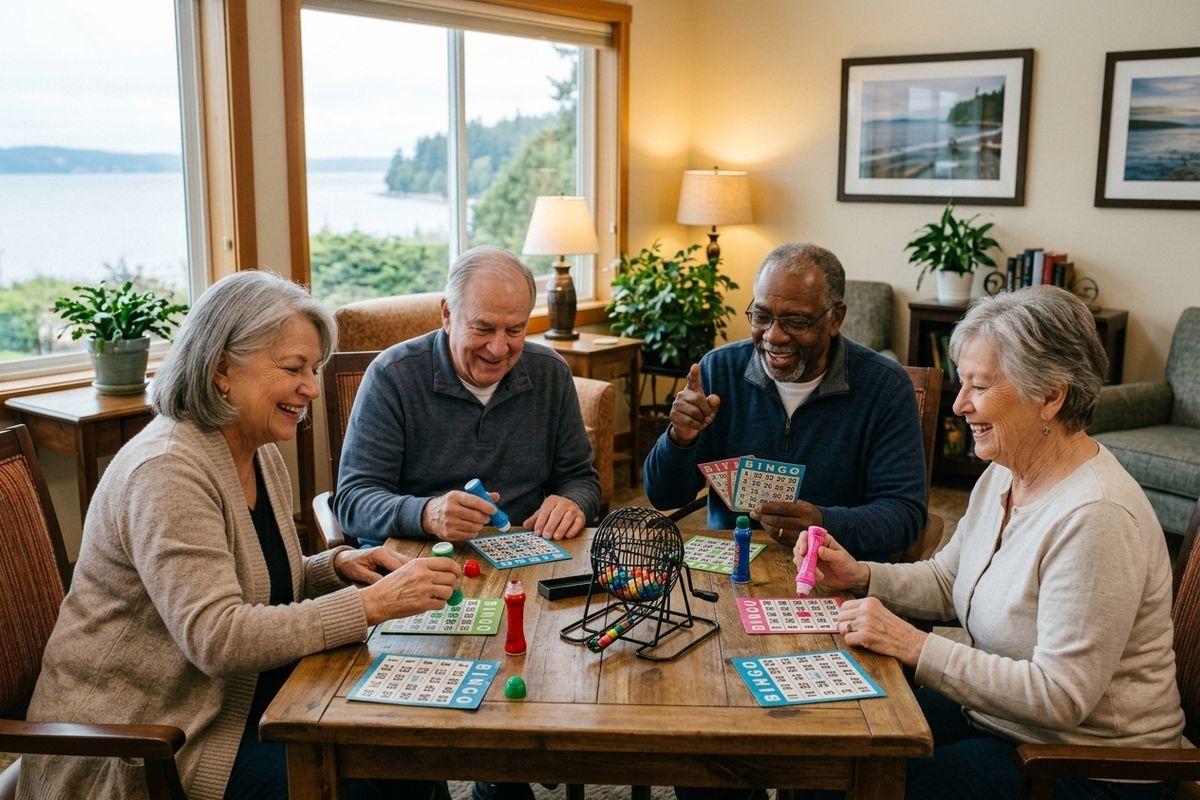
- Bingo with friendly calls and small prizes
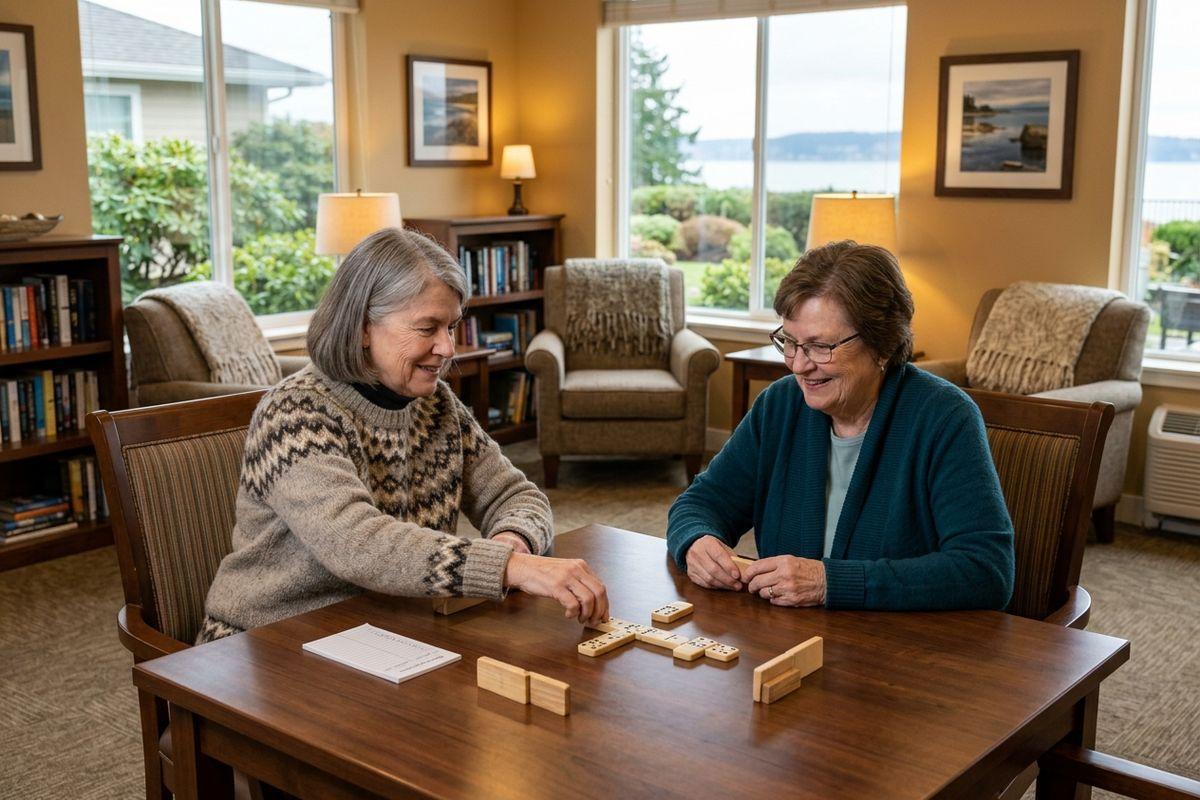
- Dominoes and Go Fish for easy turns and smiles
- A block-tapping memory game that repeats simple patterns
Keep rounds short and upbeat. When the energy stays light, your loved one feels relaxed and ready to join in. Win or lose, the laughter is the real prize.
Sensory and Creative Activities for Deeper Connection
Beyond games, hands-on play and creative time reach the heart. These moments tap into feelings and memories that words sometimes can’t.
Hands-On Sensory Play
Sensory activities ground your loved one in the present. Arranging flowers or rubbing fragrant herbs between fingers brings the garden indoors. You can also build a sensory box. Fill it with smooth stones, soft fabric, seashells, and textured ribbon. Exploring the mix sparks both curiosity and calm.
Creative Self-Expression
Art and music open a door to joy. Painting, scrapbooking, and flipping through a photo album invite gentle conversation about happy times, and participating in the arts can boost well-being. Sing-alongs work wonders, too. A favorite old song from your loved one’s youth can light up their face and bring lyrics flooding back. Music often reaches places memory loss can’t touch.
Tips When a Game Stalls
Sometimes a game gets stuck, and that’s okay. You have simple ways to keep things kind and stress-free:
- Simplify the steps or switch to an easier version
- Offer a helping hand without taking over
- Pause and try again later if the mood shifts
- Skip correcting mistakes, and follow their lead instead
Your calm presence matters more than any score. When you stay patient, your loved one feels safe and valued.
How Memory Care at Harbour Pointe Brings Games to Life
At Harbour Pointe Senior Living, play is part of every day. The life enrichment team tailors activities to each resident, so games match real interests and abilities. Your loved one gets moments built just for them.
The coastal courtyard and gardens add fresh air to the fun. Residents arrange flowers, soak up sea breezes, and connect with neighbors who become friends. It’s memory care that feels alive and warm.
Come see it for yourself. Book a tour today and watch how the right activity can bring a smile back to someone you love.